Indonesia's Electric Two-Wheeler Boom: Why the Real EV Story Is on Two Wheels
When people talk about Indonesia going electric, the conversation usually jumps to BYD, Chery and the four-wheel cars landing at Jakarta showrooms. But the country sells roughly 6–7 million motorcycles a year and only about 60,000–70,000 of them are electric — under 1% of the total. That gap is where the largest, least-covered EV transition in Southeast Asia is actually playing out. Here is the technology and policy picture behind Indonesia's electric two-wheelers in late 2026.
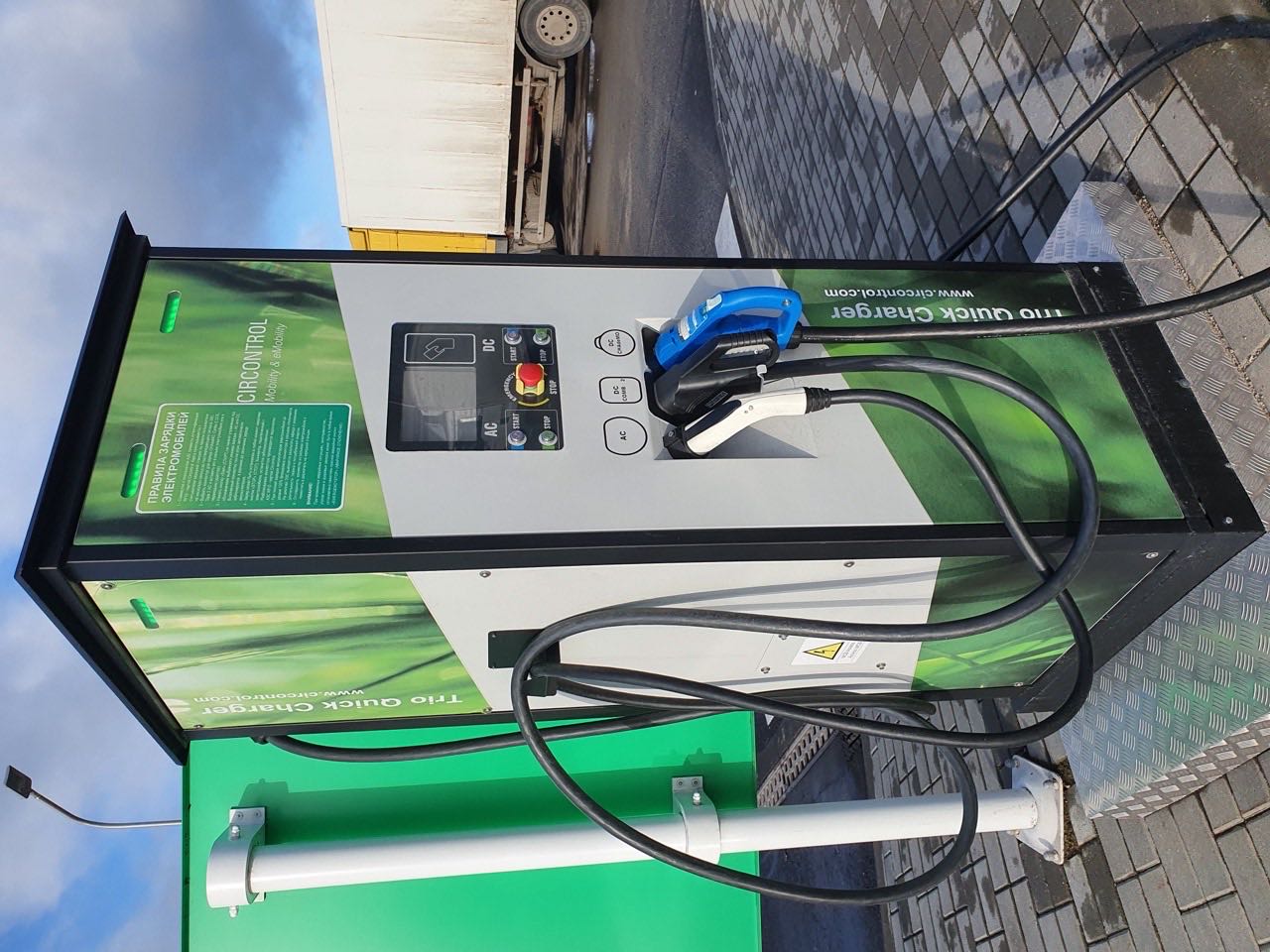
1. A 6–7 million-unit market that is still under 1% electric
Indonesia is one of the world's biggest motorcycle markets, with annual sales around 6–7 million units, but electric models have managed only about 60,000–70,000 sales a year — roughly 1% of the total, according to Antara and industry estimates. There were about 242,909 electric motorbikes on Indonesian roads by April 2026 (industry ministry data via Otodream). The upside is enormous, but the base is still tiny.
2. The policy bet: MOLINAS and the IDR 3 million subsidy
On 13 August 2026, President Prabowo launched the Motor Listrik Nasional (MOLINAS) programme at ALVA's factory in Cikarang. It promises lower loan interest, a push toward zero-down-payment financing, and a trade-in scheme for petrol bikes. The centre-piece incentive is a IDR 3 million (approx. $170 USD) subsidy per eligible electric two-wheeler, with a IDR 3 trillion budget aimed at up to 1 million domestically made bikes. Officials expect only about 100,000 to be taken up by the end of 2026 because local factory capacity is limited.
That is below the IDR 5 million once considered and the IDR 7 million offered in 2024 — a deliberate trim as the government worries about fiscal room and local supply.
3. Why 2026 is a reset year
Sales tell the story. After a peak of 111,535 units in 2024, electric two-wheeler registrations fell 22.0% to 86,987 in 2025 when the subsidy lapsed, then returned to modest growth — up just 6.4% year-on-year through September 2026 (year-to-date about 79,170 units, per MotorCyclesData). Aismoli, the industry association, said January–August 2026 sales were about 18,900 as buyers waited for the promised subsidy to start. With the PMK (finance ministry regulation) still pending as of late September, much of the year was spent in limbo.
4. Chinese brands already own about 85% of the e-2W market
This is the part legacy Japanese giants missed. Honda and Yamaha together hold over 80% of Indonesia's petrol-motorcycle market, but in electric two-wheelers their combined share is only about 15%. Chinese brands — Yadea, Tailg, Selis (a local brand built on Chinese supply chains), United, Polytron and others — account for roughly 85% of Indonesia's electric two-wheeler market in 2026. Honda is the fastest grower among incumbents (+63% YTD), but from a near-standing start, and it only launched its first strategic e-motorcycle in Southeast Asia in 2025.
The Chinese edge is systemic: control of battery, motor and controller manufacturing, plus the cost discipline of a saturated home market. Yadea and Tailg now run Indonesian factories, and the 2023 wave of 100+ Chinese two-wheeler brands has been filtered down to a smaller set that can localise.
5. Battery swapping and the TCO math
Two-wheeler buyers are unusually sensitive to upfront price, which is why battery swapping and battery rental models matter more here than in cars. Brands such as Polytron and ALVA offer "battery rental" price bands that drop the on-road price sharply. The running-cost case is strong regardless: an RMI study cited by industry analysts found an electric two-wheeler's total cost of ownership is about 34% lower than a petrol bike (roughly 50% lower with subsidy), and the gap is expected to widen toward 60% by 2040. A full charge costs about IDR 2,000–5,000 versus IDR 20,000–50,000 to fill a tank — decisive for the ride-hailing and delivery riders who make up a large slice of demand.
6. The TKDN local-content curve
Almost every incentive is tied to TKDN (Tingkat Komponen Dalam Negeri) — local content. Battery-electric two-wheelers need 40% local content through 2026, rising to 60% from 2027 and 80% from 2030, as the Industry Ministry has restated. Parts makers warn the 2027 step will be hard to meet without local battery cells. For buyers, that means the cheapest eligible models will increasingly be the ones actually assembled in Indonesia — and the value end of the market is where the Chinese brands with local plants will press their advantage.
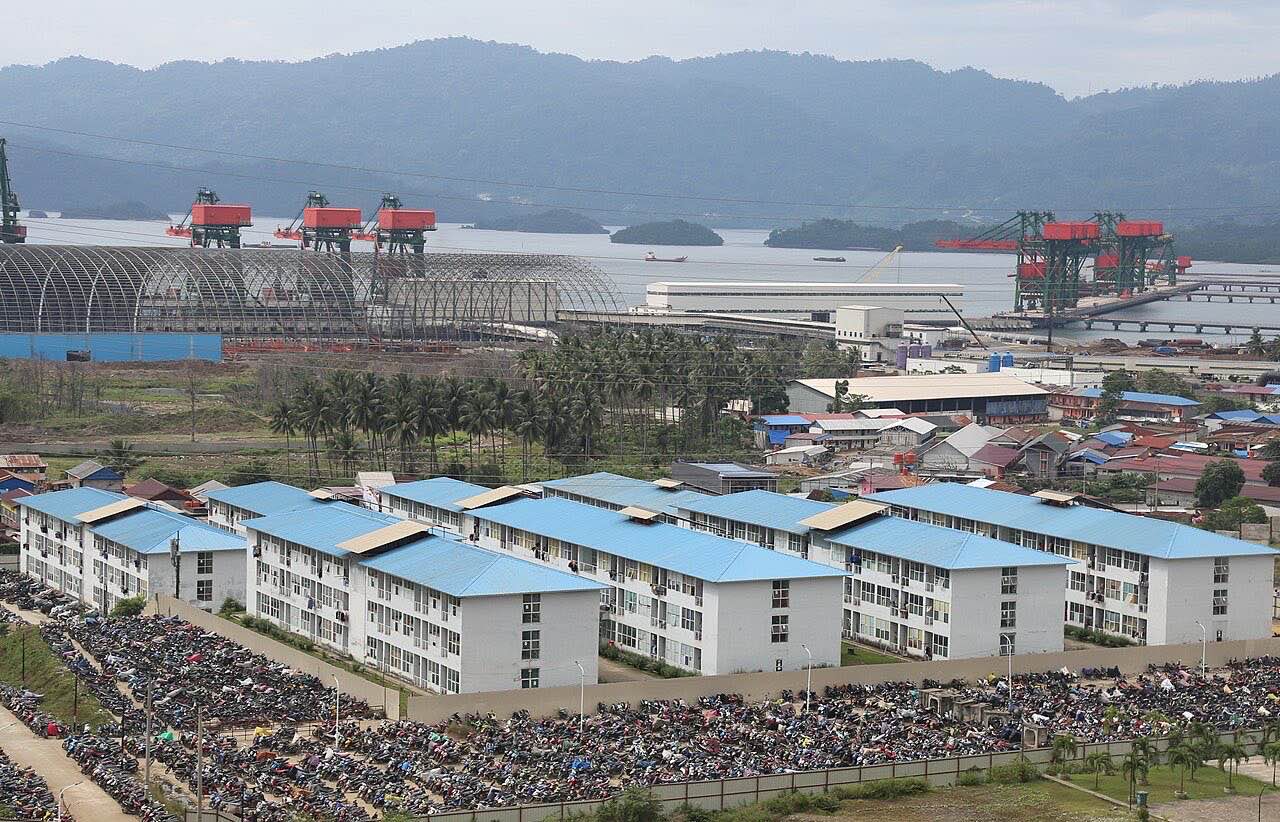
China Angle
China is the world's largest electric-two-wheeler market and the manufacturing base behind most of the brands now leading Indonesia. In the first half of 2026, China's domestic e-two-wheeler sales were about 28.25 million units (down 12.6% year-on-year as a new national safety standard shook out the market, per AVC/Ovum data), and the champion, Yadea, sold about 7.63 million units in H1 2026 and has been the global volume leader for nine consecutive years. China also exported 15.97 million e-two-wheelers in H1 2026, up 30.8% (China Machinery and Electronics Products Importers and Exporters data via Xinhua) — Indonesia is a prime destination for that export push.
The parallel is instructive but not one-sided. China's own home market is contracting under stricter standards and subsidy withdrawal, which is precisely why its mature, cost-optimised LFP-battery and swappable-pack formula is being pushed abroad. Indonesia offers Chinese brands a growth frontier they no longer have at home, while Indonesia gets affordable, locally assembled EVs — at the cost of ceding most of the segment to foreign firms, the same dynamic playing out in four-wheel EVs.
Image credits
- Indonesia public charging point: Wikimedia Commons, CC license.
- Morowali nickel industrial park: Wikimedia Commons, CC license.
Sources
- Indonesia electric two-wheeler sales, MOLINAS, TKDN, brands: MotorCyclesData, Oct 19, 2026 — https://www.motorcyclesdata.com/2026/10/19/indonesia-electric-motorcycles/ ; IndoEVs buyer's guide, 2026 — https://indoevs.com/electric-motorbikes-indonesia-buyers-guide ; Aismoli / Antara / Otodream industry data cited therein.
- Chinese brands' ~85% Indonesia e-2W share: supply-chain report via Toutiao / SGPJB, 2026 — https://www.toutiao.com/a7636377143911481892
- China e-two-wheeler market size (H1 2026 ~28.25M units) and Yadea ~7.63M, nine-year global #1: AVC/Ovum via Jiemian, Aug 2026 — https://www.jiemian.com/article/15044107.html ; Xinhua, 2026 — https://www.xhby.net/content/s6a8e501be4b03b461cd05dae.html
- China e-two-wheeler exports H1 2026 (15.97M, +30.8%): China MEA data via Xinhua, 2026.
中文简报
2026年10月21日 · 印尼电动两轮车技术解析:真正的电动化故事在两轮。
印尼年销摩托约600–700万辆,电动仅约6–7万辆(占比<1%),截至2026年4月上路电动摩托约24.29万辆。2026年8月13日普拉博沃总统启动"Motor Listrik Nasional(MOLINAS)"计划,单车补贴300万印尼盾(约170美元),预算3万亿印尼盾、目标最多100万辆,但官方预计2026年底仅约10万辆可兑现(产能有限);补贴低于2024年的700万盾。
销量:2024年峰值11.15万辆,2025年补贴退坡后降至8.70万辆(-22%),2026年恢复微增(截至9月同比+6.4%,年初至今约7.92万辆);1–8月约1.89万辆,买家观望补贴细则(PMK尚未落地)。
品牌格局:中国品牌(雅迪、台铃、Selis、United、Polytron等)占印尼电动两轮约85%份额;本田/雅马哈在燃油摩托占80%+,但在电动仅约15%。本田同比+63%但仍从近零起步。
商业模式:换电/电池租赁降低购车门槛;RMI研究称电动两轮TCO比燃油低约34%(有补贴约50%),充满电2000–5000印尼盾 vs 加油2–5万印尼盾,对网约/外卖骑手关键。
本地化:TKDN本地含量要求2026年40%、2027年60%、2030年80%;无本地电芯难达2027门槛,利好已在印尼建厂的中国品牌。
中国视角:中国是全球最大电动两轮市场,2026上半年内销约2825万辆(同比-12.6%,新国标洗牌),雅迪上半年约763万辆、连续九年全球第一;2026上半年出口1597万辆(+30.8%),印尼是重点出海目的地。中国本土市场收缩,正把成熟的LFP+换电方案外推;印尼获得低价本地化电动车,但代价是大部分份额让予外资——与四轮车态势相同。
Back to all articles · View comments & share on the interactive page