Indonesia's Nickel-to-Battery Bet: How the World's Top Nickel Producer Is Building an EV Battery Industry
Indonesia sits on the largest nickel reserves on the planet, yet for years it mostly shipped ore abroad. In 2026 that is changing fast: a wave of battery-cell and EV-assembly plants is landing on Java, backed heavily by Chinese and Korean capital. This is the most consequential EV supply-chain story in Southeast Asia — and it explains why so many affordable EVs in the region are suddenly "Made in Indonesia."
Why nickel is the whole point
Indonesia supplies roughly half of the world's nickel ore but only about a tenth of global battery-cell manufacturing capacity, according to industry estimates. The economics are obvious: refining and cell-making capture far more value than mining. Since the 2020 nickel-ore export ban, Jakarta has pushed hard to keep processing at home — first stainless steel, now batteries.
In August 2026, Indonesian investment authorities outlined a multi-year downstream industrial framework estimated at around $25 billion through 2030, spanning precursor/cathode materials, cell manufacturing, and EV assembly (per industry reporting). The strategic goal: lift Indonesia's share of global battery-cell capacity much closer to its share of nickel output.
CATL's $5.9B plant is already running
The headline project is CATL's battery plant in Karawang, West Java — roughly $5.9 billion (≈$6B), a 70/30 joint venture between CATL and Indonesian state entities. It entered trial production in July 2026, with phase-one capacity of 6.9 GWh, expandable to 15 GWh — enough cells for about 250,000 EVs a year. It is pitched as a full loop: nickel ore, smelting, cells, and recycling on Indonesian soil.
BYD bets big on Subang
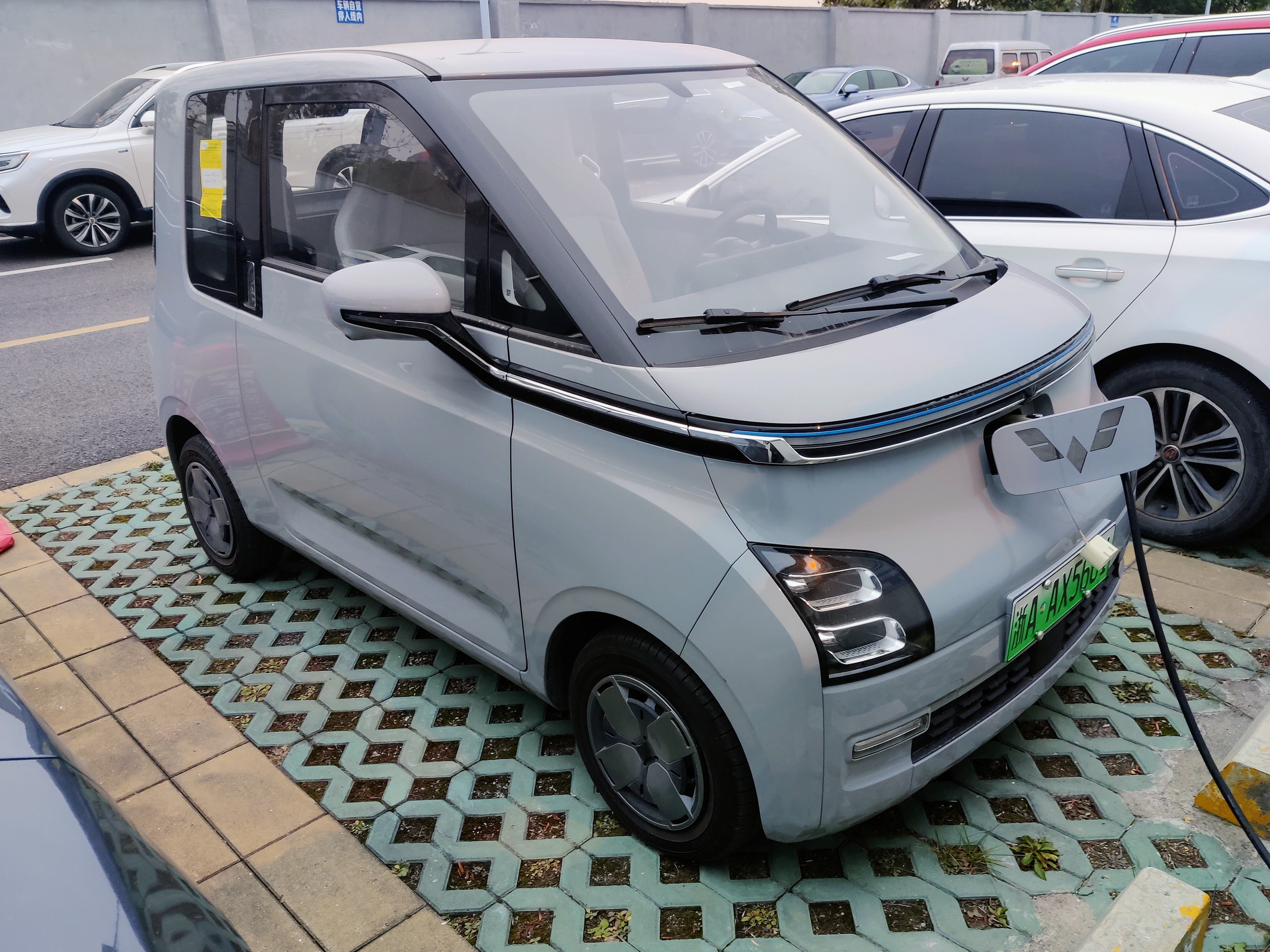
BYD's Subang Smartpolitan plant in West Java — a roughly $7 billion investment with about 150,000 units/year capacity — began production in May 2026. Alongside Wuling (which reached ~47.5% local content and was the first Chinese brand to assemble battery packs locally), it anchors a growing "localization war" among Chinese makes.
Local-content rules force the shift
Indonesia's Perpres No. 79/2023 roadmap raised the Domestic Component Level (TKDN) requirement for four-wheel EVs to a minimum of 40% in 2026, with a path toward 60% by 2027. Critically, the duty-free window for imported completely-built-up (CBU) BEVs expired in January 2026; to keep preferential VAT treatment, brands such as BYD, VinFast, and GWM must now build locally. That is exactly why the assembly lines are going up now.
The China Angle
As a China-based writer, the picture is striking: Indonesia's battery ambitions are overwhelmingly enabled by Chinese capital and technology. Committed investments in the framework reportedly total around $18 billion, with Chinese and Korean firms accounting for roughly 65%. On the showroom side, Chinese brands already dominate — Gaikindo wholesale data for Jan–Jul 2026 shows Chinese nameplates taking roughly 90% of Indonesia's BEV segment, with BYD alone near 30% share. Indonesia is, in effect, the proving ground for China's EV export-and-localize playbook.
But there is a counter-current worth watching. Analysis from Asia Times (July 2026) argues that China's rapid scaling of manganese-rich (LMFP) and sodium-ion chemistries — which need little or no nickel — could undercut the long-term case for high-nickel cells. If the mainstream pivots to nickel-free platforms, Indonesia's massive nickel bet faces a demand-risk that technology, not policy, will decide.
What it means for buyers
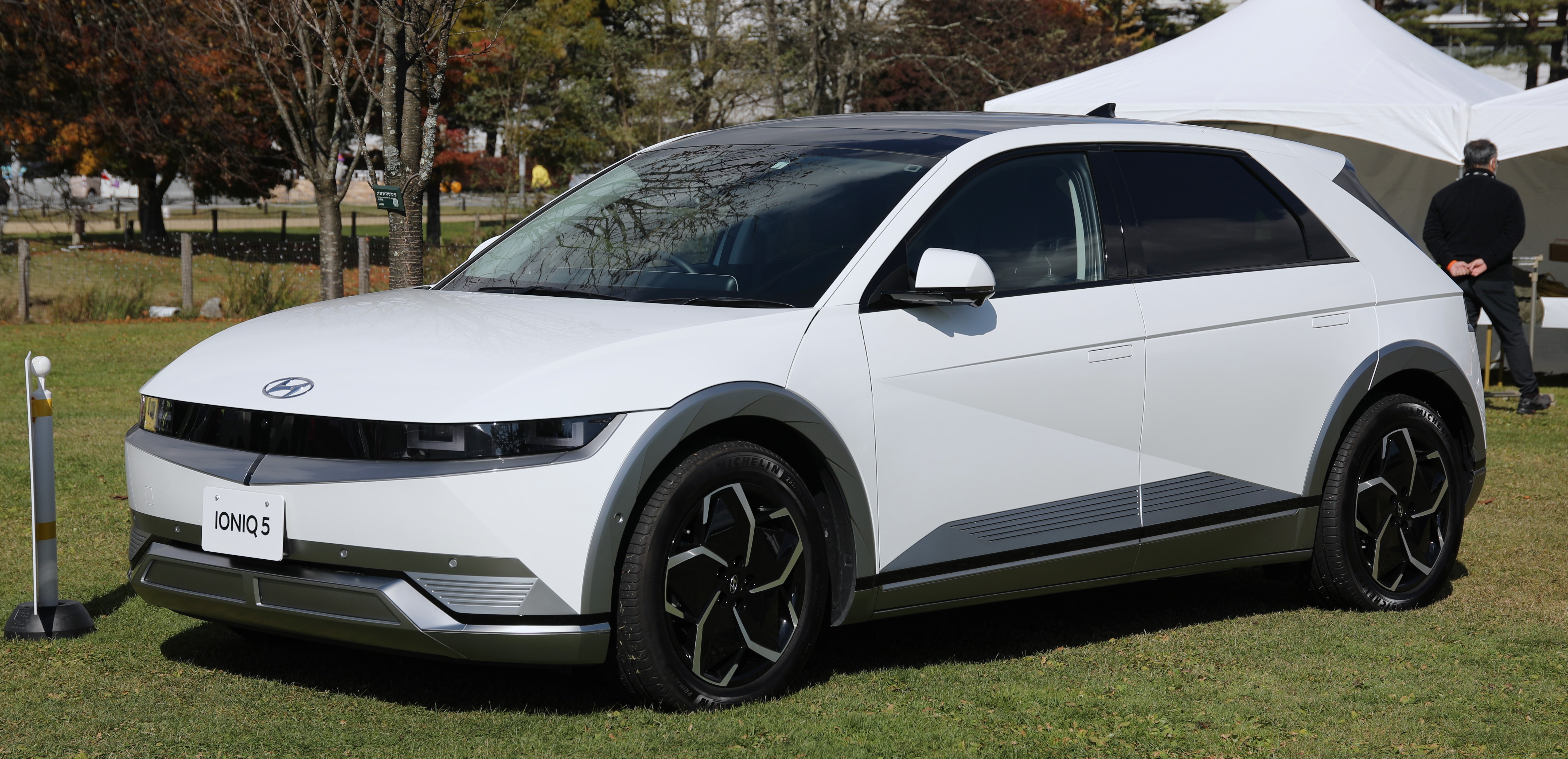
For Indonesian EV buyers, localization is mostly good news: locally built models (BYD, Wuling, Hyundai, Chery, and others) keep incentives and avoid the post-January import penalty, which should steady prices. Over time, an on-island cell supply could shorten lead times and soften battery-replacement costs. The catch is execution risk — these gigafactories are early, and Indonesia's grid, talent pipeline, and policy consistency remain open questions.
Sources
- CATL Indonesia battery plant (Karawang, trial production July 2026): Seetao / Asia Times, July 2026.
- BYD Subang plant begins production (May 2026): Made-in-China News / Gaikindo data, H1 2026.
- TKDN 40% (2026) → 60% (2027); CBU incentive expiry Jan 2026: Indonesia Electric & Hybrid Vehicle Industry Report 2026 (Jakarta Market Lab).
- $25B downstream framework / $18B committed (industry reporting): The Platinum Capital, Aug 2026.
- Chinese brands ~90% of BEV segment, BYD ~30% (Jan–Jul 2026): Gaikindo wholesale data via Gasgoo, Aug 2026.
- De-nickelization risk (LMFP/sodium-ion): Asia Times, July 2026.
Image credits: Wuling Air EV and Hyundai Ioniq 5 photos via Wikimedia Commons (CC-licensed).
Back to all articles · View comments & share on the interactive page