Cambodia EV Total Cost of Ownership in 2026: Duties, Charging and the Chinese Price Edge
Buying an EV in Cambodia is no longer a niche bet — but the math is different from Europe or China. The single biggest lever is a tariff cut that took effect in 2026, and the second is the flood of affordably priced Chinese LFP EVs. Here is how the ownership cost actually stacks up.
The Sub-Decree 52 duty reset (effective April 1, 2026)
On March 26, 2026, the Royal Government of Cambodia enacted Sub-Decree No. 52, signed by Prime Minister Hun Manet, cutting import duties on green-tech goods. For cars, the changes are decisive:
- Family fully-electric vehicles: import duty 35% → 0%.
- Family plug-in hybrids (PHEV): 35% → 7%.
- EV chargers, cables: 7% → 0%; batteries, powertrain parts, lithium batteries, solar: 15% → 0%.
- HEV / PHEV / passenger-and-cargo EVs (broader category): 15% → 0%.
The effect is a sharply lower landed cost on imported EVs. Combined with Cambodia's left-hand-drive import rules and a still-small local market, the duty cut is the main reason showroom prices for models like the BYD Atto 3 and Dolphin, MG4, and GWM Ora have stayed competitive. The government's own data shows 14,534 EVs registered from 2018 to February 2026 (10,363 electric cars, 3,449 e-motorcycles, 722 e-three-wheelers), with a target of 30,000 electric cars by 2030.
Charging vs fuel: the running-cost gap
This is where EVs pull ahead in Cambodia. Residential electricity from Electricité du Cambodge (EDC) is commonly cited around $0.20–0.25/kWh in Phnom Penh, while gasoline pumps near $1.0–1.1/L. Charging an LFP EV at home works out to a fraction of the per-km cost of petrol, and even public DC charging rarely erases the gap. (Figures are approximate and vary by province and time of year.)
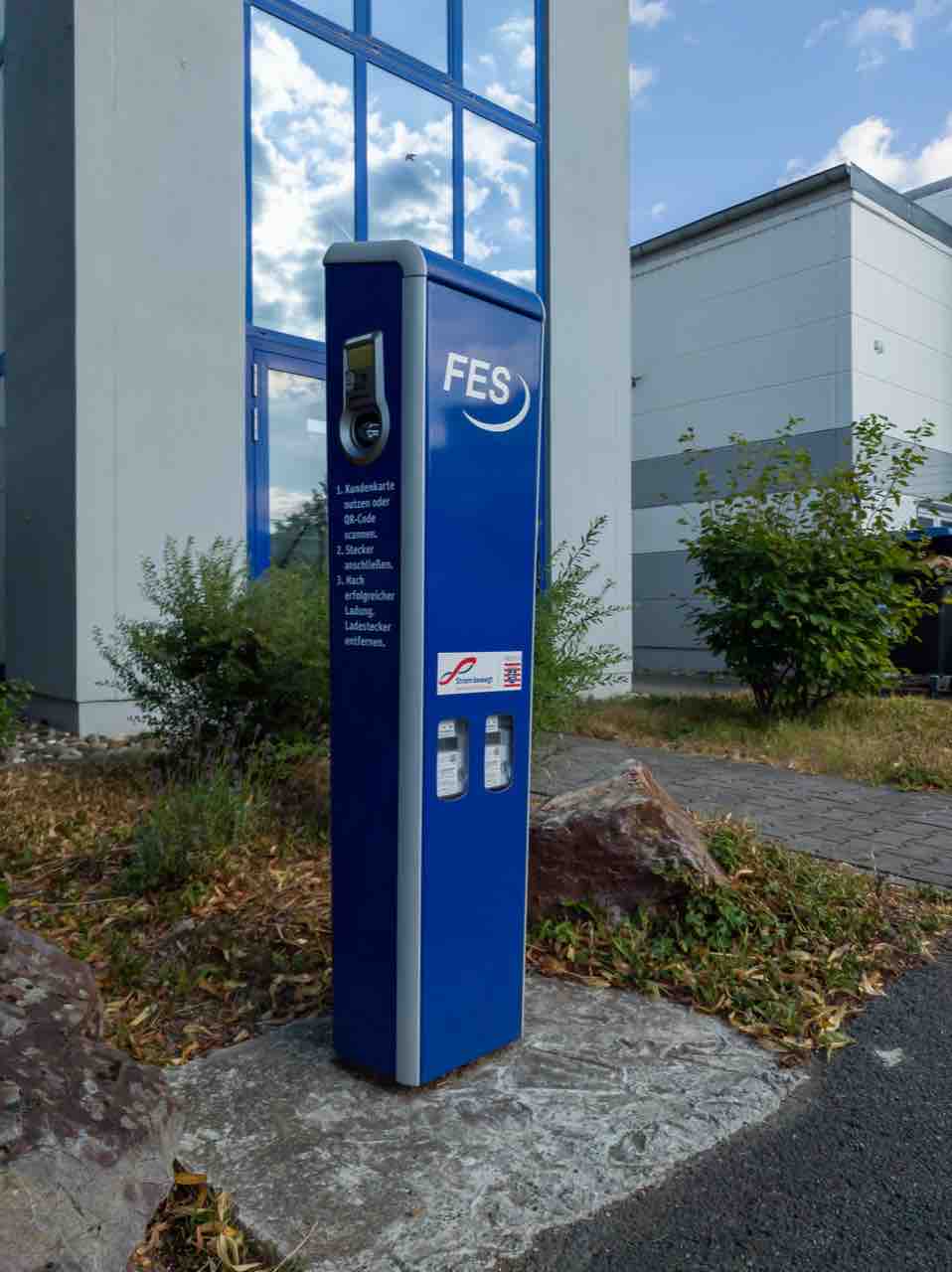
The catch is infrastructure. Cambodia's public charging network is still thin outside Phnom Penh and the main corridors, so most owners charge at home or at work. If you cannot install a reliable home socket, an EV's running-cost advantage shrinks fast.
Home charging is the default (and the catch)
Because public chargers are sparse, home or workplace charging is the realistic norm for Cambodian EV owners. A standard AC wall box on a residential connection covers daily commuting easily; the 8-year / 160,000 km battery warranty most models carry removes the biggest "what if the pack dies" worry for the first owner. Buyers without private parking — apartment dwellers in the capital — should budget for shared or public charging and weigh that into the TCO.
Chinese brands set the price benchmark
Chinese manufacturers dominate Cambodia's imported EV lineup, and their LFP-based, high-volume models are what make the sub-$30,000 segment viable after the duty cut. BYD, MG (SAIC), GWM and Chery are among the most visible names, with a growing used and demonstrator market that further pressures prices down. For a cost-conscious buyer, that means strong value — but also a thinner official after-sales network than legacy Japanese brands, so factor service access and parts lead times into the total cost.
China Angle
Cambodia's affordable-EV moment is essentially a side effect of China's battery scale. As of the first seven months of 2026, LFP chemistry made up 81.7% of China's newly installed traction batteries (China Battery Industry Association, via 经济日报, October 2026), and CATL and BYD lead global LFP supply. That volume is what lets Chinese makers export low-priced LFP EVs worldwide, Cambodia included. For contrast, China's public charging network had reached 5.16 million public chargers (24.22 million total) by end-August 2026 (EVCIPA / National Energy Administration) — a density Cambodia's early-stage network cannot match, which is exactly why home charging matters so much there.
Sources
- Khmer Times — Cambodia cuts import taxes to boost EVs (Sub-Decree 52, Mar 2026): https://www.khmertimeskh.com/501870511/cambodia-cuts-import-and-export-taxes-to-boost-evs-green-energy-and-trade/
- DFDL / Nusantara — Cambodia Sub-Decree 52 duty changes: https://www.nusantaradfdl.com?p=67742/
- 国家税务总局 (China Tax Authority) — 柬埔寨下调电动车进口关税: https://www.chinatax.gov.cn/chinatax/c102727/c5249374/content.html
- 经济日报 / 中国经济网 — 动力电池回收"吃不饱" (LFP 81.7% H1 2026; EVCIPA 5.16M public chargers end-Aug 2026): https://auto.ce.cn/auto/gundong/202610/t20261012_3254919.shtml
中文简报
2026 年柬埔寨 EV 总拥有成本要点:①第 52 号二级法令(2026-03-26 签署,4 月 1 日生效)将家用纯电车进口关税由 35% 降至 0%、家用 PHEV 由 35% 降至 7%,充电桩/电池/锂电池由 7%/15% 降至 0%;2018 至 2026 年 2 月累计注册 EV 14,534 辆(含 10,363 辆电动轿车),目标 2030 年电动轿车 3 万辆。②用电成本远低于燃油:EDC 居民电价约 0.20–0.25 美元/kWh,汽油约 1.0–1.1 美元/L(近似,随省份与时间变动)。③公共充电网络仍稀疏,家庭/单位充电是常态;无私人车位者需计入公共充电成本。④中国品牌(比亚迪、MG/上汽、长城、奇瑞)主导进口 EV,LFP 平价车型撑起 3 万美元以下市场,但官方售后网点较日系薄弱。中国视角:2026 前 7 个月中国 LFP 占新装车 81.7%(经济日报 2026-10),宁德时代/比亚迪主导全球 LFP 供应;中国公共充电桩截至 2026 年 8 月底达 516 万(总计 2422.3 万),密度远高于柬埔寨。
Back to all articles · View comments & share on the interactive page