Owning an EV in South Korea in 2026: apartment charging, the subsidy squeeze, and why 800V still wins on a road trip
South Korea crossed 900,000 cumulative EVs in 2026 with roughly 470,000 chargers in the ground — but owning one here lives or dies on two very Korean realities: most people charge at a shared apartment charger rather than a garage plug, and the fast-charging network is built around Hyundai-Kia's 800 V E-GMP cars. This is a practical, Korea-only guide to setting up home charging, reading the 2026 subsidies, and planning long trips without range anxiety.
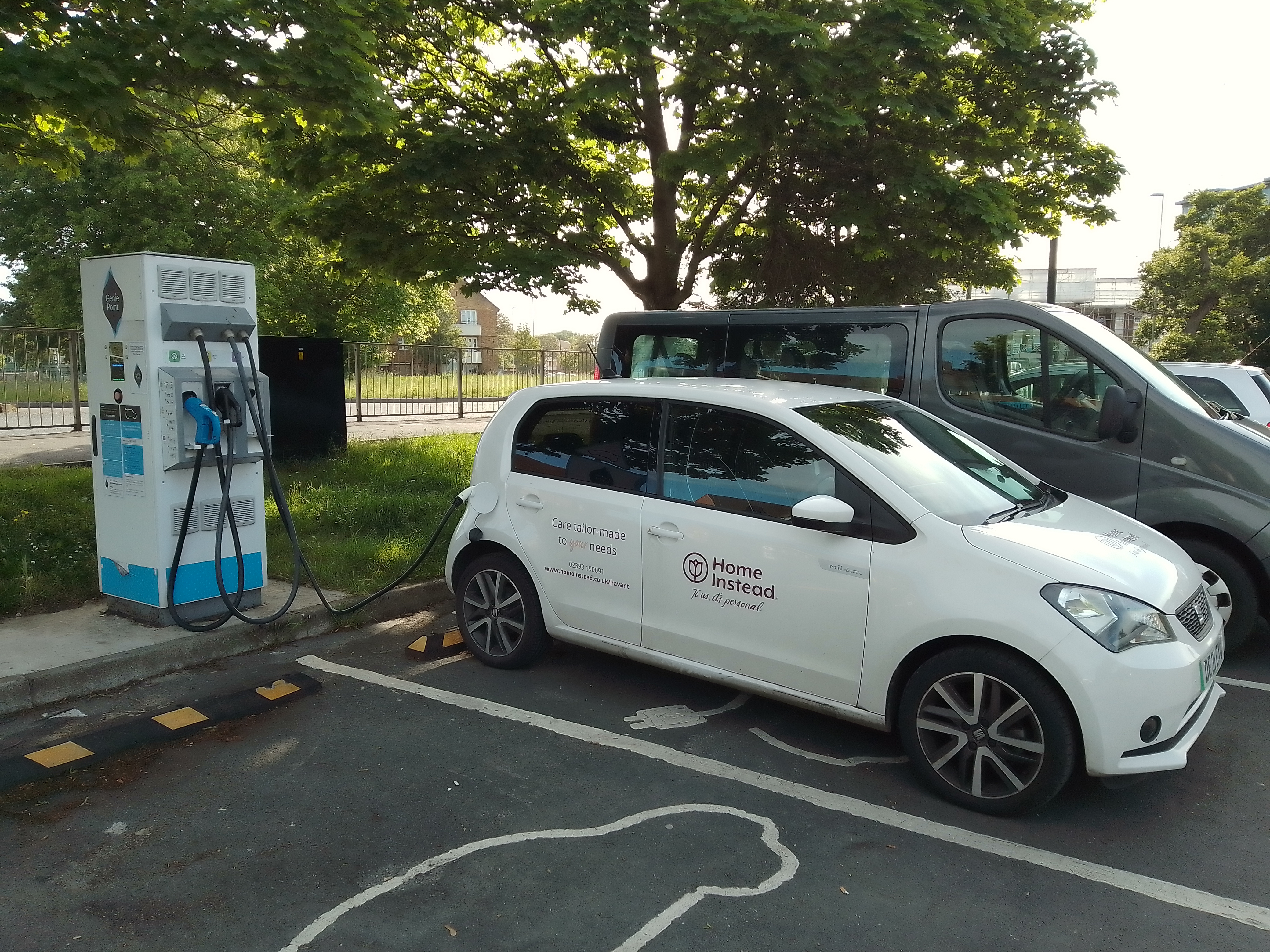
1. Home charging in Korea means apartment charging
Unlike markets where a private garage plug is the norm, the majority of Korean EV owners live in apartments (아파트) and rely on shared building chargers. That creates two pain points the government is actively reshaping in 2026:
- Fees are being restructured. Complaints about sharply rising apartment-charger fees pushed the Ministry of Climate, Energy and Environment to redesign the tariff from the current two tiers (≤100 kWh / >100 kWh) into a five-tier structure — under 30, 30–50, 50–100, 100–200 and 200+ kWh — so light users stop subsidizing heavy ones.
- Subsidies now reach the building, not just operators. Seoul's "citizen-direct" charger subsidy (round 2, July 2026) covers up to 70% of the cost for public fast chargers (up from 50%) and 50% for slow chargers, open to single-family homes, row houses, small apartments under 100 households and commercial buildings. Installers must use KC-certified equipment and keep it running ~5 years.
Practical tip: if you're buying into an apartment, ask the management office how many chargers exist per household and whether they're on the old two-tier or new five-tier rate before you sign — it changes your monthly running cost more than the purchase price does.
2. The 2026 subsidy picture: bigger budget, but it runs out
The national 2026 purchase-subsidy budget rose to about ₩936 billion (approx $680 million), up roughly 20% year-on-year, and includes a ₩1 million (approx $720) scrappage bonus for retiring an old combustion car to buy an EV or FCEV. But demand is front-loaded: in February 2026 new EV registrations topped 30,000 for the first time (35,693, +171.9% YoY), and by then 29 of 160 regions had nearly exhausted their subsidy budgets. Translation — apply early in the year, or you may wait until the next allocation.
Note the technology tilt: subsidies still favor high-energy-density NCM batteries over LFP, and local-content rules mean Hyundai, Kia and Genesis capture most of the benefit. Regional add-ons vary (Seoul and Busan top up taxis, ride-hail and logistics EVs), so check your city hall, not just the national line.
3. Road-tripping on 800 V: E-GMP is Korea's cheat code
Korea's fast-charging experience is unusually good if you drive an 800 V car. Hyundai's Ioniq 5, Ioniq 6, Ioniq 9 and Kia's EV6 and EV9 sit on the E-GMP 800 V platform and pull the highest rates at 800 V "Hi-charger" sites. On a true 800 V stall they add meaningful range in well under 20 minutes; on a 400 V charger they still charge, just slower, because the car's onboard booster has to step the voltage up.
Tips that actually matter on a Korean road trip:
- Route around 800 V chargers for E-GMP cars; the highway network is dense enough that "30 km between stations" is now typical outside peak holidays.
- Avoid the Friday-evening and holiday rushes — even a good network queues when half the country leaves Seoul at once. The government is pushing Plug-and-Charge (PnC), due in autumn 2026, to cut the card/app authentication dance to a single plug-in.
- The national car-to-charger ratio is about 1.7:1 — healthier than many markets — but urban apartments still feel the squeeze at peak.
4. Winter, batteries and buying used
Two Korea-specific rules shaped by the 2024 Incheon underground-garage fire:
- Mandatory battery certification (disclosing capacity, max output and material source) moved from voluntary to compulsory from October 2024.
- Seoul advises EVs above 90% state-of-charge not to enter residential underground parking — a real constraint if you charge overnight at home.
For used EVs, verify State of Health (SOH) and favor cars with documented fast-charge history; the local subsidy bias toward NCM means most Korean-market EVs are NCM, which loses more winter range than LFP but charges faster. Cold snaps in Seoul routinely trim 20–30% off quoted range, so budget for it.
A Note from China
As a writer based in China, the contrast is sharp. Chinese owners overwhelmingly install a private 7 kW pile at a house or assigned bay, and the public network is now vast and cheap enough that apartment charging is rarely the bottleneck it is in Korea. Both countries are racing the same finish line, though: China's 800 V wave (BYD's second-gen Blade platform, Xiaomi, Zeekr) and Korea's E-GMP both prove that 800 V is the feature that makes long trips feel like refueling — and both are rolling out Plug-and-Charge in 2026. Korea's apartment-shared-charger model and five-tier pricing are the more interesting experiment: it's what EV ownership looks like when most people can't have their own plug.
Sources
- Chosun Biz — Kim Seong-hwan vows to overhaul South Korea EV charging fees and subsidies
- Asiae — Seoul to Subsidize Electric Vehicle Charger Installation… Up to 70% Support
- SBS News — EV Charger in Front of My Home? Seoul Offers Installation Subsidies
- Sina / CJ — 2026年韩国自动驾驶及充电桩市场介绍 (Korean EV policy, battery certification, subsidy budget)
- Toutiao — 韩电动车需求释放,充电配套能跟上吗? (Feb 2026 registrations, PnC rollout)
Back to all articles · View comments & share on the interactive page