Owning an EV in Indonesia in 2026: Home Charging, the PLN Network, Costs, and Incentives
Thinking about going electric in Indonesia? The good news: public charging is expanding fast and home charging is now a streamlined, app-driven service. The caveats are real too — most homes need a power upgrade, and the best prices now go to locally built models. Here is a practical, Indonesia-specific guide (focused on the Java/Bali corridors, where infrastructure is most mature).
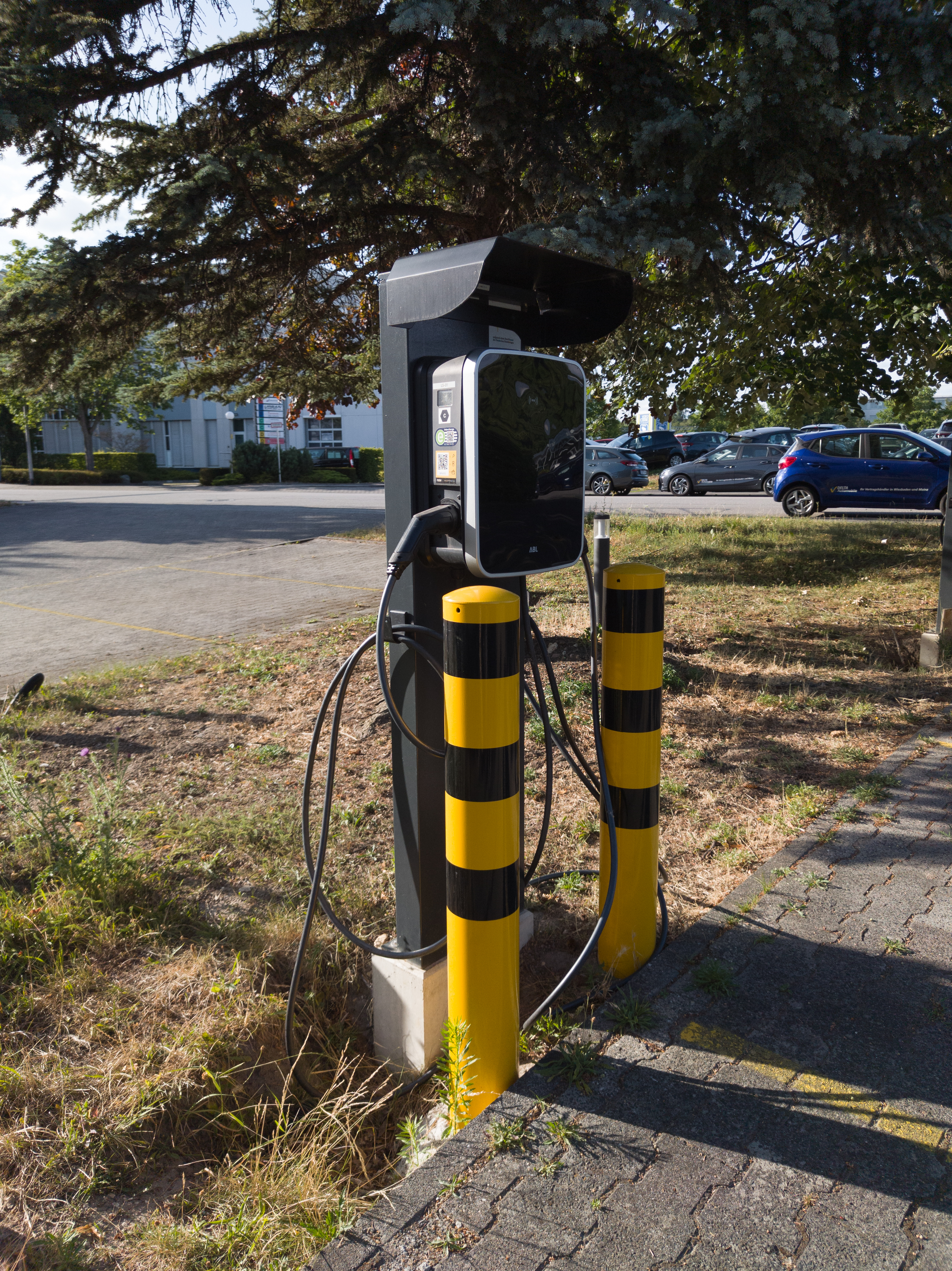
Can you charge at home?
Yes — and it is easier than it used to be. State utility PLN runs a Home Charging Service (HCS / HCS Ultima) that handles the whole job through the PLN Mobile app: application, charger supply, installation by certified partners, power upgrade if needed, and activation. At GIIAS 2026, PLN promoted HCS Ultima packages from around IDR 12 million, with chargers that meet Indonesian SNI standards and support OCPP/RFID/Wi-Fi. A key safety point: home charging uses a separate kWh meter from your household circuit.
How much does home charging cost?
PLN cites a typical home-charging tariff around Rp 1,700 per kWh. The smart move is to charge overnight: PLN offers a 30% discount on EV charging between 22:00 and 05:00 WIB, a promo valid through 31 December 2026. For most daily commuting, overnight home charging is far cheaper than petrol and even cheaper than public fast charging.
Do you need a power upgrade?
Often, yes. Many Indonesian homes run on 900 VA–2,200 VA single-phase connections — fine for lights and AC, but tight for a 7 kW wallbox. PLN lets you apply for a power upgrade (tambah daya) via PLN Mobile; it has run 50% discount promos (up to 7,700 VA) for EV buyers during 2026 auto-show windows. Check current promo validity in the app, but budget for the upgrade if you want regular fast home charging.
The public network
PLN's SPKLU public charging stations are the backbone — reported at 2,500–5,000+ sites nationally, with a growing share of fast and ultra-fast units (demos have shown up to ~200 kW). Private operators are also expanding: Starvo, Voltron, and Shell Reconnect in malls, rest areas, and city hubs. Connectors follow regional norms — CCS2, CHAdeMO, and AC Type 2 — so most modern EVs (especially Chinese and Korean imports) plug in without drama. Use the PLN Mobile app to locate stations and check live availability.
Incentives and what to know
- Perpres No. 79/2023 remains the master framework for EV adoption.
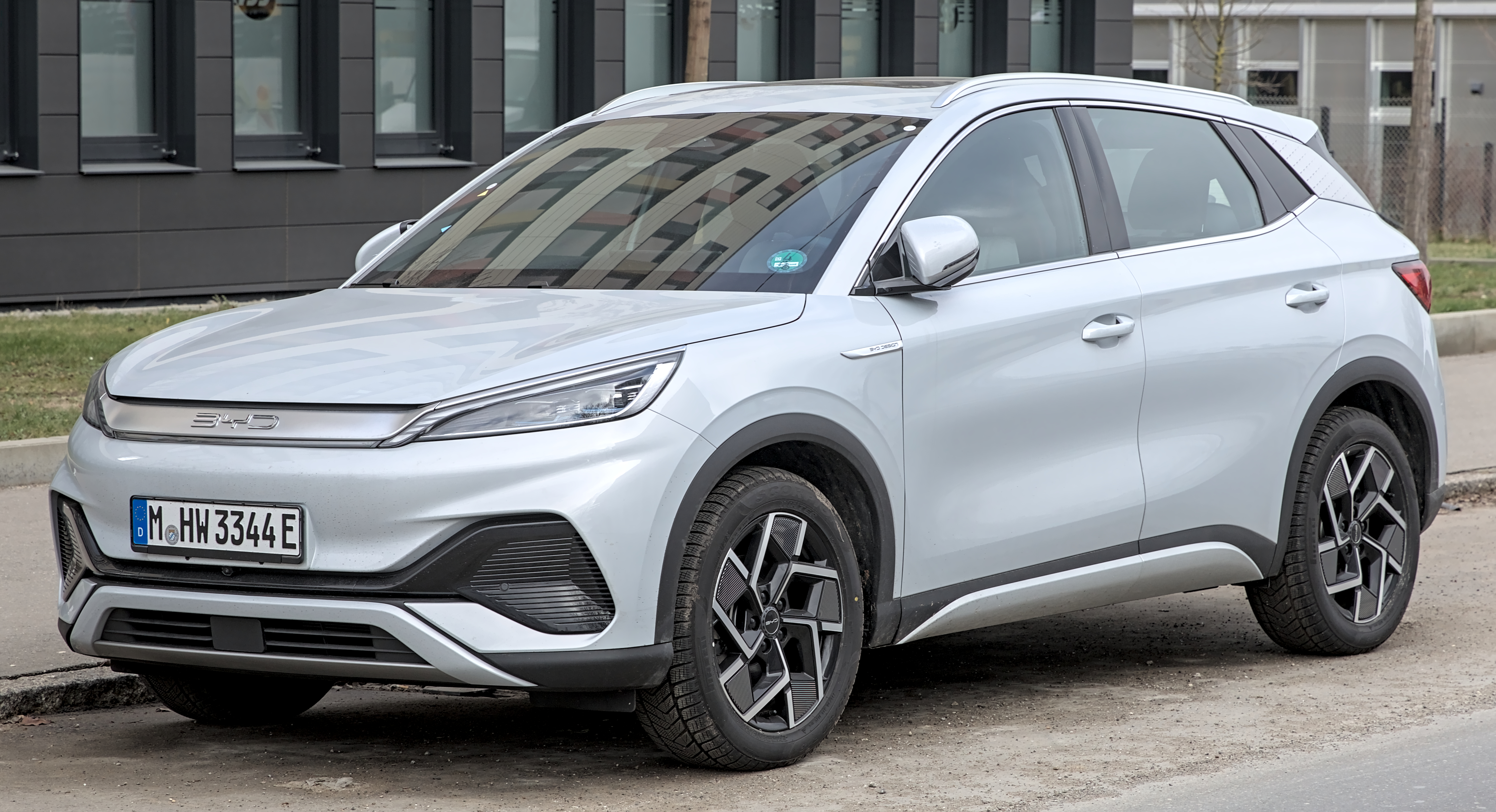
- Local content (TKDN) must hit ~40% in 2026 (roadmap to 60% by 2027). Critically, the duty-free window for imported CBU BEVs ended in January 2026 — so to get the best pricing and keep VAT incentives, buy a locally assembled model (BYD Subang, Wuling, Hyundai, Chery, etc.).
- Subsidies and preferential VAT are tied to local-content compliance, which is why imported-only brands got more expensive in 2026.
Apartment or rental?
If you cannot modify the building's electrical system, you will rely on public SPKLU. Ask building management about shared chargers, and plan routes around malls/rest areas with fast chargers. Inter-city travel outside the Jakarta–Surabaya corridor still needs range planning — infrastructure lags in rural areas.
The China Angle
From a China-based perspective, Indonesia's EV boom is largely a Chinese-brand story: BYD, Wuling, Jaecoo, Geely, and others took roughly 90% of the BEV segment in the first half of 2026 (Gaikindo wholesale data), with BYD near 30% share. For budget-conscious buyers this is great — aggressive pricing and rapidly improving local service. The watch-item is after-sales and spare-parts depth: as volumes scale, confirm a service network and battery-warranty support near you before signing.
Sources
- PLN Home Charging Service (HCS Ultima), GIIAS 2026 promo ~IDR 12M; 30% night discount valid to 31 Dec 2026: PLN / jawawa.id, 2026.
- Home charging tariff ~Rp1,700/kWh; 22:00–05:00 discount; separate kWh meter: PLN via Tribun/Tangerang, May 2026.
- Power-upgrade (tambah daya) 50% promos via PLN Mobile: PLN / RCTI+, Aug 2026.
- Public charging 2,500–5,000+ SPKLU; standards CCS2/CHAdeMO/AC Type 2: PLN / Jakarta Market Lab / PEVS 2026 reporting.
- TKDN 40% (2026) → 60% (2027); CBU incentive expiry Jan 2026: Indonesia EV Industry Report 2026.
- Chinese brands ~90% of BEV segment, BYD ~30% (H1 2026): Gaikindo wholesale data via Gasgoo, Aug 2026.
Image credits: charging station and BYD Atto 3 photos via Wikimedia Commons (CC-licensed).
Back to all articles · View comments & share on the interactive page