Surviving the Heatwave in Your EV: A Practical Summer Driving Guide (US, Europe, Australia, Thailand, Indonesia)
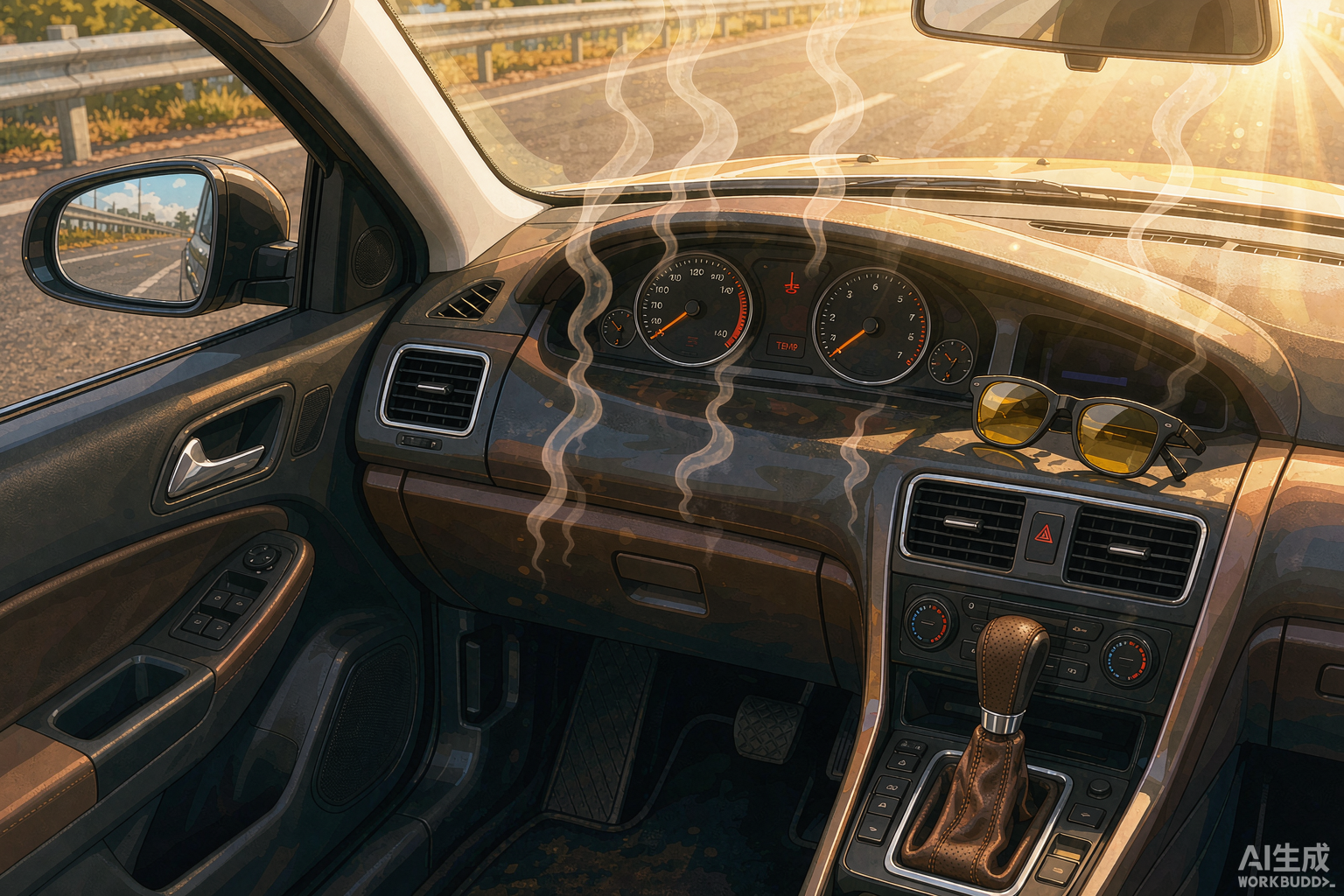
Cold gets most of the attention in EV range talk, but heat is the quieter problem. A hot cabin needs air conditioning, a hot battery needs active cooling, and both draw from the same pack. Depending on conditions, high temperatures can trim 5–15% off your range in normal summer heat and up to 20% once the mercury passes 35 °C. The good news: most of that loss is avoidable with a few habits. Here is a region-aware guide to keeping your EV happy when the temperature climbs.
The numbers, briefly
- Summer range loss: typically 5–15% in sustained heat, reaching ~20% above 35 °C, because the compressor runs hard to cool both cabin and battery.
- Cold vs heat (AAA data): a cold 20 °F (−7 °C) day cost around −39% range in AAA testing, while hot-weather losses averaged a milder −8.5% — but the heat loss is consistent and recurring every summer, not a one-off.
- Battery aging: Geotab's 2026 fleet data shows vehicles operating in consistently hot climates degrade about 0.4 percentage points per year more than the ~2.3% baseline — small annually, but it compounds over the life of the car.
The theme is simple: heat is a chronic, manageable stressor. Treat it as routine maintenance, not an emergency.
Region notes
United States (Southwest — Arizona, Texas, Nevada): dry, extreme heat regularly tops 40 °C. The grid can also strain during evening peaks, so charging timing matters. Cabin pre-cooling before unplugging is essential; so is avoiding mid-afternoon DC fast charging.
Europe (Mediterranean — Spain, Italy, Greece): heatwaves are becoming longer and more frequent. Many owners street-park with little shade, so a windshield sunshade and a covered spot make a measurable difference. Public charging is dense, so you rarely need to push range.
Australia (outback and central — Alice Springs, Perth summers, remote NT/WA): ambient heat is extreme and charger spacing can be hundreds of kilometers. Thermal management is not a comfort feature here — it is a safety margin. Always leave with a heat buffer and know your next charger.
Thailand & Indonesia (tropical): heat is year-round and paired with high humidity, so the A/C load is constant and the battery cooling system is almost always working. Monsoon/flood seasons add the separate rule of never driving through flooded roads (EVs are not submarines).
Practical tips
- Park in shade and use a sunshade. A cooler cabin means the A/C compressor does less work the moment you start. In Europe and the US, a reflective windshield shade is the cheapest range hack you own.
- Pre-condition while plugged in. Cool (or ventilate) the cabin and battery on shore power before you leave. You spend grid energy, not pack energy — effectively free range.
- Charge in the cool hours. Schedule home charging for night or early morning. Avoid DC fast charging at midday when the pack is already hot; if you must, let the car's thermal system settle first.
- Keep SOC in the 20–80% band in heat. A pack sitting at 100% in direct sun is the worst case for cell stress. Daily 20–80% is cooler, healthier and still plenty of range.
- Check tire pressure when cold. Heat raises PSI; an overinflated tire from a hot afternoon reading is a real risk. Measure in the morning.
- Pre-cool the pack before fast charging. Many modern EVs do this automatically when you set a charger as the destination, but it helps to confirm the setting on long, hot trips (especially across Australia or between Thai/Indonesian cities).
- Use eco / eco-A/C modes. Cabin eco modes soften compressor load without making the car unbearable. Moderate A/C use beats max-blast then off-on cycling.
- Plan with a 15–20% heat buffer. On hot days, assume the worst-case loss and route chargers accordingly — critical on long Australian and inter-island Indonesian hauls.
Bottom line
Heat will cost you some range every summer — that is normal. But the drivers who lose the least are the ones who pre-condition on plug, charge in the cool, park in the shade, and keep the pack in its comfort zone. Do those four things and your EV will shrug off a heatwave while keeping its battery healthier for years.
Sources
- ChargeIQ — seasonal EV range and heat loss analysis: https://chargeiq.com.tr/
- GreenSpark Electric — summer EV driving and charging guidance: https://greensparkelectrics.co.uk/
- Electric Car Scheme — hot-weather EV tips: https://electriccarscheme.com/
- EVSeekers — heat and battery management notes: https://evseekers.com/
- TelioEV — regional charging and climate guidance: https://telioev.com/
Back to all articles · View comments & share on the interactive page