Public-Only EV Charging in Thailand 2026: Living Without a Home Plug — Networks, Costs, Apps, and the Idle-Fee Trap
Not every Thai EV owner has a wallbox in a private garage. Condos, rented homes, and older townhouses often make a home install impossible — which means public charging is not a backup plan but the daily reality. The good news: Thailand's public network is now dense enough to run an EV on alone. The catch is that public power costs two to three times home rates, and a few habits (and one new idle fee) separate a cheap commute from a costly one.
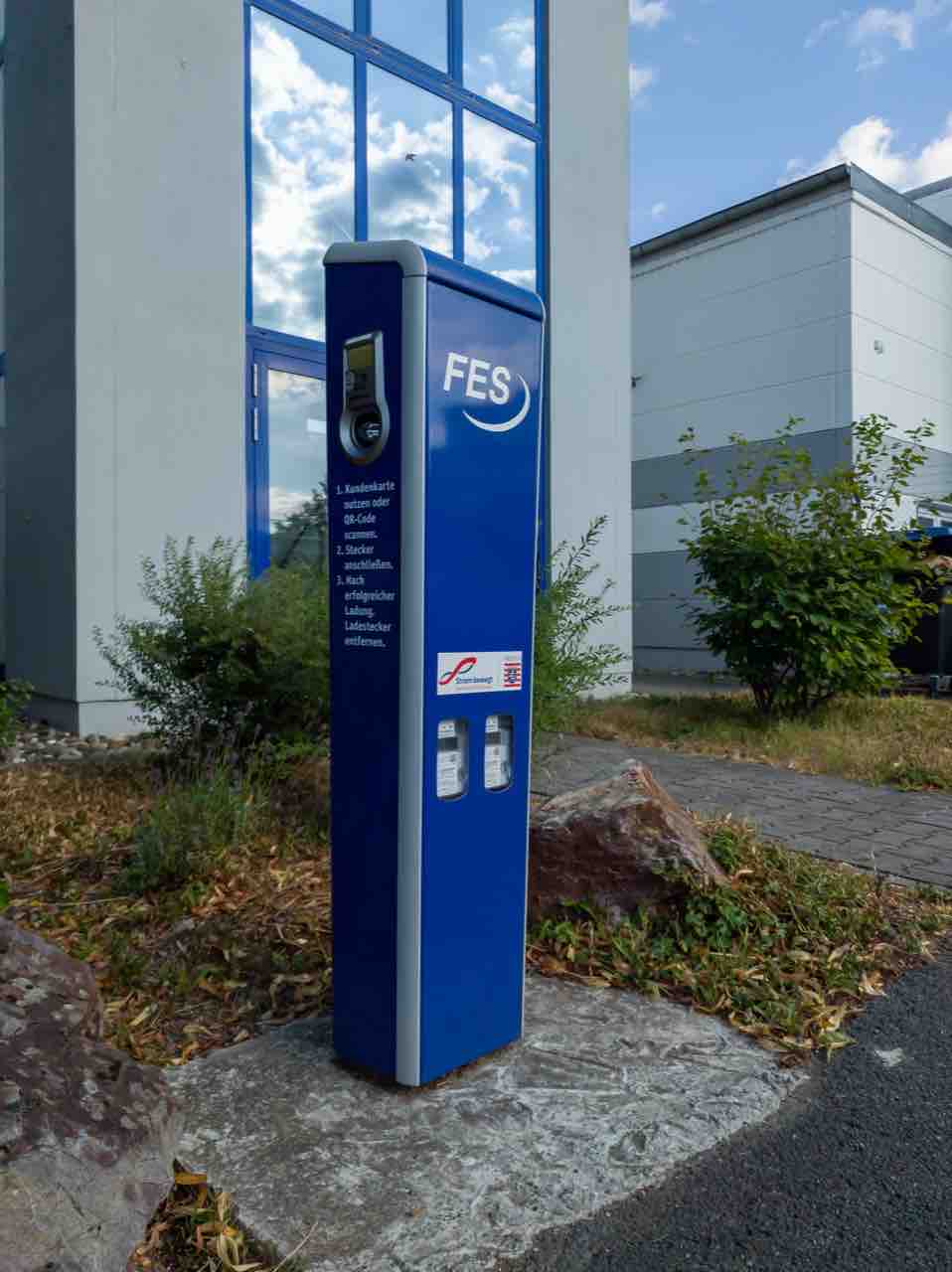
The network you can actually use
Thailand's public charging is a mix of state-backed utilities and private operators, and most drivers end up running three to five apps rather than trusting one. The main networks:
- EV Station PluZ (PTT/OR) — the largest footprint, with over 1,350 stations across all 77 provinces as of April 2026. Strong along highways and at PTT service stations; off-peak around 4.5 THB/kWh, on-peak about 7.9 THB/kWh, plus a 20 THB reservation fee.
- PEA VOLTA (Provincial Electricity Authority) — broad provincial coverage, real-time status and in-app reserve/pay; off-peak 5.30 THB/kWh (the cheapest DC in the country on a 25 kW unit) rising to 7.40–8.80 THB/kWh at peak.
- EA Anywhere — dense in urban centers and malls, flat ~7.29 THB/kWh with no peak/off-peak split.
- EleX by EGAT — state-backed, strong on interprovincial routes.
- MG Super Charge, MEA EV (Bangkok metro), EVOLT, SHARGE, GINKA, Shell Recharge, Tesla and others fill in the gaps.
Across the country, DC fast charging runs roughly 5.30 to 9.50 THB/kWh depending on network and time of day (Green Energy Thailand / ZeekrMetro, 2025–2026). Connectors are CCS2 for DC and Type-2 for AC; CHAdeMO is fading.
What it actually costs per 100 km
At Thailand's average EV consumption of about 16 kWh/100 km, the spread is stark (figures from Green Energy Thailand, 2026):
- Home, TOU off-peak: ~72 THB / 100 km
- PEA VOLTA off-peak: ~91 THB
- EV Station PluZ off-peak: ~96 THB
- EA Anywhere (flat): ~117 THB
- PEA VOLTA peak: ~120 THB
- EVOLT: ~160 THB
- Gasoline equivalent: ~350 THB / 100 km (7 km/L at 35 THB/L)
Even the priciest public DC is still less than half the cost of petrol. The point is that public-only living roughly doubles your per-km cost versus home charging — manageable, but worth planning around.
The idle-fee trap
This is the one that catches newcomers. As of June 5, 2026, EV Station PluZ began charging 10 THB per minute for cars that stay plugged in after charging finishes or block a stall. At 10 THB/minute, leaving a car 20 minutes past full adds 200 THB — wiping out the savings of a cheap session. The fix is simple: move the car the moment it stops charging, or set a charge limit (80%) and a phone alarm. Other networks are watching the policy closely, so expect idle fees to spread.
Habits that keep public-only cheap
- Charge off-peak. PEA VOLTA and PluZ both reward night/early-morning charging with their lowest rates. If you must use a flat-rate network (EA Anywhere), the predictability is the feature — you'll never overpay by mistiming.
- Reserve ahead. Most apps let you reserve a stall. During long weekends, chargers at highway stops fill up fast; a 2-minute reservation saves a 30-minute wait.
- The 20–80% rule still applies. Public DC is priced per kWh, not per minute, but stalling past 80% means slower electrons and a higher idle-fee risk for the next person. Charge to 80% and go.
- Mind the heat. Thailand's ambient temperatures are tough on batteries. Public DC in midday heat is the harshest case — prefer cooler hours, and don't obsess over 100% unless you need the range.
- Carry 3–5 apps. No single network covers every province. EA Anywhere + PEA VOLTA + EV Station PluZ covers most of the country; add MEA EV for Bangkok and EleX for road trips.
Bottom line
You can absolutely own an EV in Thailand without a home charger — the network is mature enough for daily use in Bangkok, the Eastern Seaboard, Phuket and most provincial capitals. The trade is cost and a little planning: buy your kWh off-peak, dodge idle fees, and treat 80% as "full enough." For anyone in a condo or rental, that routine is the difference between an EV that saves money and one that quietly doesn't.
China Angle
China — the world's largest EV market — has wrestled with the same "no home plug" problem at scale, and its policy response is worth knowing if you follow the region's EV story.
- June 2023: the State Council issued Guidance on Further Building a High-Quality Charging Infrastructure System (《关于进一步构建高质量充电基础设施体系的指导意见》, 国办发〔2023〕19号). For residential areas it mandated that new developments pre-wire 100% of fixed parking spaces for charging, pushed "install-where-possible" (应装尽装) retrofits in existing communities, and explicitly encouraged third-party "unified build-and-operate" (统建统服) models where an operator builds, runs and maintains chargers for a whole community.
- The same document folded charger build-out into old-neighborhood (老旧小区) renovation — recognizing that aging grids and uncooperative property managers were the real bottleneck, not the hardware.
- Scale: by end-May 2025, China's total charging infrastructure reached 14.4 million units, with a vehicle-to-pile ratio of 2.57:1 (National Energy Administration, July 2025 reply to an NPC proposal) — though that total mixes public and private piles, and residential-install friction in older communities remains a live issue the unified build-and-operate model (统建统服) is meant to fix.
The lesson for Thailand: a dense public network is necessary but not sufficient. The countries that make EV ownership frictionless are the ones that also solve the last metre into apartments and condos — exactly the gap Thailand's condo-dwelling owners feel today.
Sources
- Green Energy Thailand — How Much Does EV Charging Cost in Thailand? (2026): https://www.greenenergythailand.com/posts/much-charging-cost-thailand
- Green Energy Thailand — EV Charging Networks in Thailand (2026): https://www.greenenergythailand.com/posts/charging-networks-thailand-anywhere
- BYD Bangchan Auto Group — 10 EV Charging Station Networks in Thailand: https://www.bydbdautogroup.com/en/updated-charging-stations-en/
- ThaiChinese / QQ News — EV Station PluZ idle fee 10 THB/minute (Jun 5, 2026): https://news.qq.com/rain/a/20260605A05HKT00
- Gov.cn — High-Quality Charging Infrastructure System guidance (国办发〔2023〕19号): https://big5.www.gov.cn/gate/big5/www.gov.cn/zhengce/202306/content_6887335.htm
- National Energy Administration — reply on residential charging (July 2025, 14.4M piles / 2.57:1): https://www.nea.gov.cn/20250729/01c60c063f824da1a7e993fdfef8668a/c.html
Image credits: Charging-station and BYD Atto 3 photos — EV & Auto Club archive.
中文简报
泰国很多电动车主没有私人充电桩(公寓、租房、老宅无法安装),公共充电就是日常。2026 年泰国公共网络已足够支撑无家充用车:
- 主要网络:EV Station PluZ(PTT/OR)覆盖最广,截至 2026 年 4 月已在 77 府超 1350 座充电站,非高峰约 4.5 泰铢/kWh、高峰约 7.9 泰铢/kWh,外加 20 泰铢预约费;PEA VOLTA 非高峰低至 5.30 泰铢/kWh(全国最低 DC);EA Anywhere 统一约 7.29 泰铢/kWh;另有 EleX(EGAT)、MG Super Charge、MEA EV(曼谷)、EVOLT、SHARGE、GINKA、Shell、Tesla 等。DC 快充普遍约 5.30–9.50 泰铢/kWh;接口以 CCS2 为主、AC 用 Type-2。
- 每 100km 成本(按 16kWh/100km):家充谷电约 72 泰铢、PEA VOLTA 谷电约 91、PluZ 谷电约 96、EA 约 117、PEA 高峰约 120、EVOLT 约 160;汽油约 350 泰铢。最贵公共 DC 仍不到油费一半,但无家充会使每公里成本约为家充的 2 倍。
- 占位费陷阱:2026 年 6 月 5 日起 PluZ 对充完不拔枪/占位按 10 泰铢/分钟 收费——充到 80% 就挪车最稳妥。
- 省饯习惯:谷电时段充、提前 App 预约、坚持 20–80%、避开正午高温快充、装 3–5 个充电 App 覆盖不同府。
结论:曼谷、东海岸、普吉及多数府会城市无家充也可日常用电车,代价是成本与一点规划。中国视角:中国 2023 年 6 月《关于进一步构建高质量充电基础设施体系的指导意见》(国办发〔2023〕19号)要求新建小区固定车位 100% 预留充电条件、既有小区「应装尽装」、推广第三方「统建统服」,并将充电纳入老旧小区改造;截至 2025 年 5 月底全国充电基础设施达 1440 万台、车桩比 2.57:1(国家能源局 2025 年 7 月答复),但老旧小区安装阻力仍是痛点——这正是泰国公寓住户今天感受到的「最后一米」缺口。
Zurück zu allen Artikeln · Kommentare auf der interaktiven Seite