Owning an EV in Spain and Latin America in 2026: Charging Rights, Hot-Climate Battery Care, and a Used-EV Checklist
Buying an EV in Spain or Latin America is the easy part. Owning one well — charging it cheaply when you live in an apartment, keeping the battery healthy through a Mexican or Colombian summer, and not overpaying for a used one — is where the real knowledge lives. This guide bundles three practical playbooks for Spanish-speaking owners in 2026, drawn from current charging rules, battery-research data, and used-market pricing.
1. Home and apartment charging — Spain's "Right to Charge"
If you park at home, charging overnight is 5–8× cheaper than public fast charging. Spanish residential off-peak rates run roughly €0.06–0.10 per kWh, while public rapid chargers typically cost €0.35–0.55 per kWh. Over a year of normal driving that difference pays for the hardware several times over.
Spain codified this in the Ley de Propiedad Horizontal (Horizontal Property Law), Article 17.5: an owner may install an EV charger in their own parking space without the community's prior approval, provided they (a) notify the community board at least two months in advance, (b) bear all costs personally, and (c) the installation is technically viable. The community cannot block a compliant request — it may only require that common-element works be shared and properly scheduled (Sources: Spark & CO; AutoRonda; TPSON Power; Endesa; El Corte Inglés).
A typical home wallbox unit costs about €400–800 installed. Under MOVES III, buyers can claim a €500 wallbox bonus (where regional funds are live) and an IRPF income-tax deduction of 15–20% on the installation. The cheapest reliable setup is a Mode 3 wallbox on a dedicated circuit; a smart charger that shifts load to off-peak hours squeezes the most from those €0.06/kWh nights.
For Latin America the picture is fragmente: in Mexico and Chile some residential complexes now offer shared chargers, but most owners still rely on workplace or public charging. The lesson from Spain transfers directly — secure a home or workplace plug first, because per-kWh public pricing elsewhere is often higher still.
2. Hot-climate battery care — Mexico, Colombia, and beyond
Heat is the silent killer of EV range and battery life. Independent testing and manufacturer guidance agree on the headline numbers:
- Range loss in heat: expect 10–20% less real-world range in sustained 35°C+ conditions, as the pack and cabin cooling draw energy (Sources: CarBuzz; NenPower; MotorUpdates).
- Calendar aging accelerates with temperature: battery degradation roughly doubles for every 10°C above 25°C. A pack baked at 45°C ages about four times faster than one kept near room temperature (Source: TheBatteryTips; ChargeUpHome).
- The 20/80 rule works: keeping daily charging between ~20% and ~80% state-of-charge can extend pack life by around 40% versus habitual 100% charges (Source: ChargeUpHome).
- Precondition while plugged in: precondition the battery and cabin on shore power before departure — you cool the pack using house electrons, not battery electrons.
- Avoid DC fast charging in extreme heat: above ~38°C (100°F), favour slower AC charging; repeated hot fast-charging is the worst-case stress combo.
- Park smart: shade, cabin-overheat protection, and avoiding direct midday sun all measurably slow aging.
Chemistry matters here. LFP (lithium-iron-phosphate) packs — used widely by BYD and others — tolerate frequent charging and higher temperatures far better than older NMC chemistry, and can be kept nearer 100% for daily use. For hot-climate markets, that durability is a real advantage, not a footnote.
3. A used-EV buyer's checklist (Spain and LatAm)
Depreciation is an EV buyer's friend: most models lose 40–50% of value in the first three years, so the used market is where the bargains sit. But battery condition is everything.
Check the State of Health (SoH):
- 80–100% SoH: healthy, buy with confidence.
- 75–80%: acceptable for a discounted price and typical use.
- Below 75%: caution — capacity margin and residual value are both thin (Sources: AllAboutEVs; Autobics; DrivingECO).
Expect gradual, predictable loss: packs degrade about 2.3% per year on average. Most manufacturers warranty the battery for 8 years / 160,000 km, covering replacement if capacity falls below 70%. Confirm the remaining warranty before you pay.
Confirm the practical details:
- Connector type: EU/Spanish cars use Type 2 (AC) and CCS2 (DC); some older Latin-American imports may carry CCS1 or CHAdeMO — verify it matches your local network.
- Service and software history: request the maintenance record and check whether OTA updates are current.
- Charging cable inclusion: a missing Type 2 cable is a €150–300 surprise.
Best-value used EVs in Spain right now include the Kia e-Niro (from €22,000), Hyundai Kona Electric (€20,500), VW ID.4 (€26,000) and Tesla Model Y (€32,000) — all with healthy SoH examples on the market (Sources: CarAndBike; RethinkThings; DrivingECO).
China Angle — lessons from the world's largest EV market
As a writer based in China, the ownership habits here are instructive for hot-climate markets. China runs the world's most mature home-charging ecosystem: cheap overnight residential rates, ubiquitous wallboxes, and — for taxis and ride-hail — city-wide battery-swap networks that sidestep degradation anxiety entirely. The chemistry trend is the relevant export: Chinese brands have pushed LFP to the mainstream precisely because it shrugs off heat and frequent charging.
That matters for Latin America. Brands such as BYD, MG and others are entering Mexico, Brazil, Chile and Colombia in volume, and many of those models ship LFP packs built for heat — the same durability story this guide's battery-care section is built on. For a buyer in Guadalajara or Bogotá, choosing an LFP-equipped model is a quiet hedge against the exact aging problem the 20/80 rule is trying to manage.
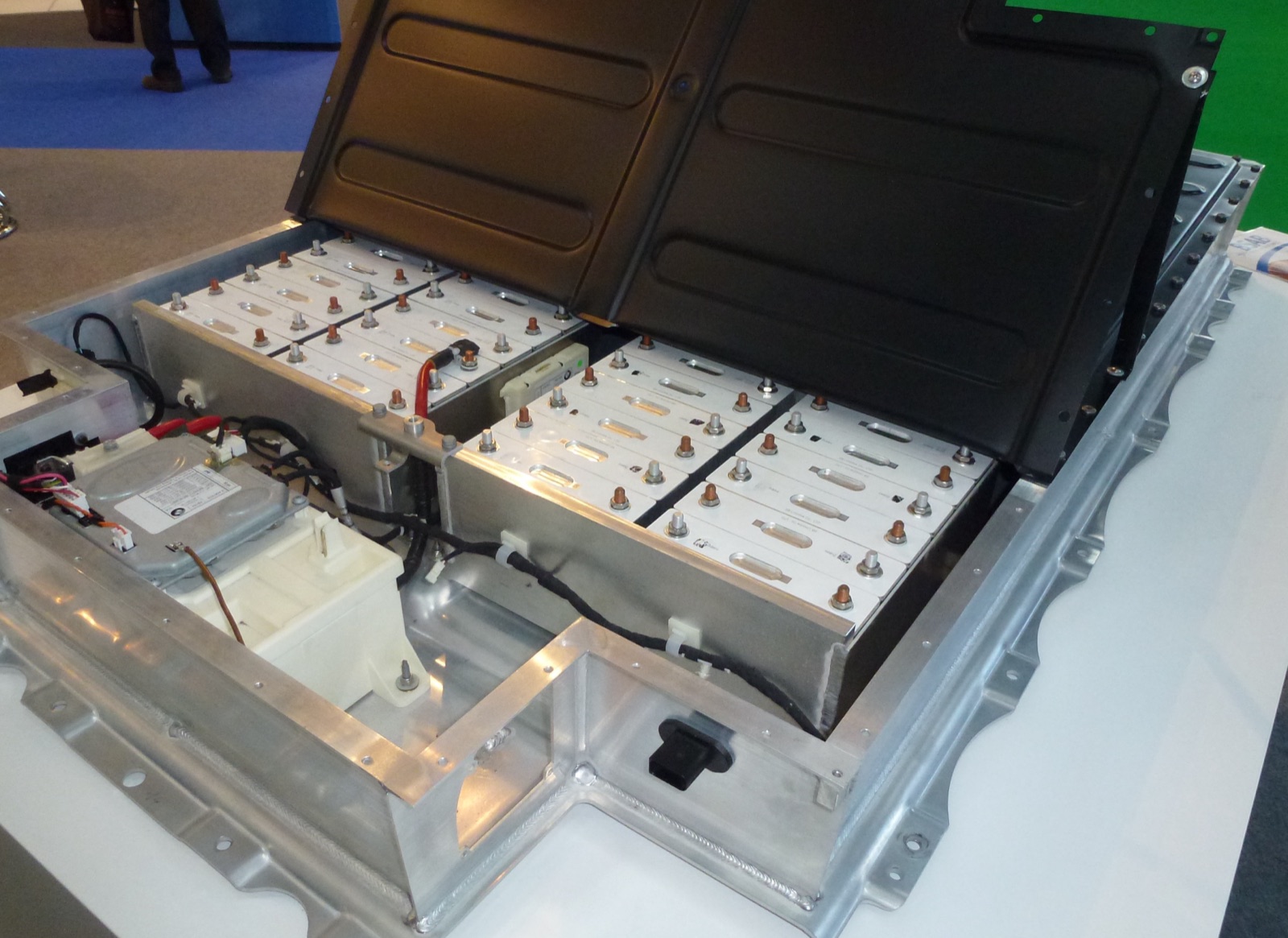
Image: EV battery thermal management, self-hosted at evandauto.com/img/. Other sections use the EV & Auto Club brand placeholder.
Sources:
- Spain home charging & Right to Charge: Spark & CO · AutoRonda · TPSON Power · Endesa · El Corte Inglés
- Hot-climate battery care: CarBuzz · NenPower · MotorUpdates · TheBatteryTips · ChargeUpHome
- Used-EV buying (Spain/LatAm): AllAboutEVs · Autobics · DrivingECO · CarAndBike · RethinkThings
Tags: tips,EV,charging,spain
Back to all articles · View comments & share on the interactive page