From Inventor to Chaser: Why Japan's Lithium-Ion Battery Hegemony Crumbled
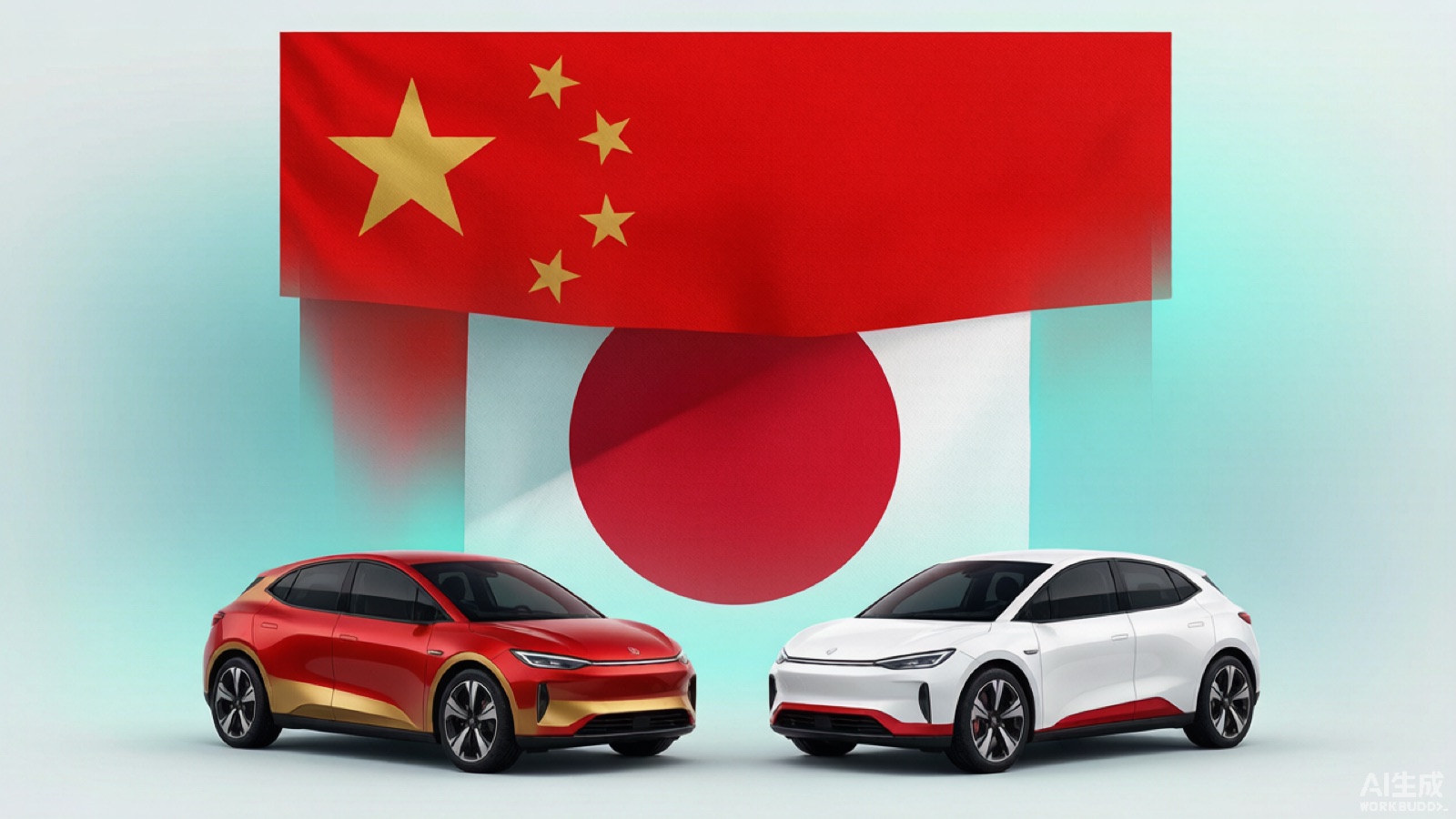 Japan and China — the two battery superpowers whose roles inverted. (Image: EV & Auto Club)
I. The Glory Days: Japan Invented the Lithium-Ion Battery and Panasonic Sat on the Throne
In 1983, Dr. Akira Yoshino developed a new type of rechargeable cell with a polyacetylene anode and a lithium cobalt oxide cathode — the research that opened the door to the modern lithium-ion battery. Eight years later, Sony shipped the world's first commercial lithium-ion battery, and Japan began more than two decades of domination.
Panasonic entered the field in 1994 with its own rechargeable lithium-ion cells and started targeting automotive applications. By 2000, Japanese manufacturers controlled roughly 93% of global lithium-ion battery sales, and Panasonic stood at the top of the pyramid.
In 2008, Panasonic acquired Sanyo Motor, then one of the world's largest lithium-ion producers, cementing its position as the global battery king. Much of Panasonic's know-how did not come from the auto industry; it came from Japan's retreating consumer-electronics sector. The 18650 cylindrical cell that would later power Tesla began life inside laptop battery packs. The brands faded, but the component craftsmanship survived.
II. The Turning Point: Tesla Came Knocking, but Japanese Carmakers Did Not Follow
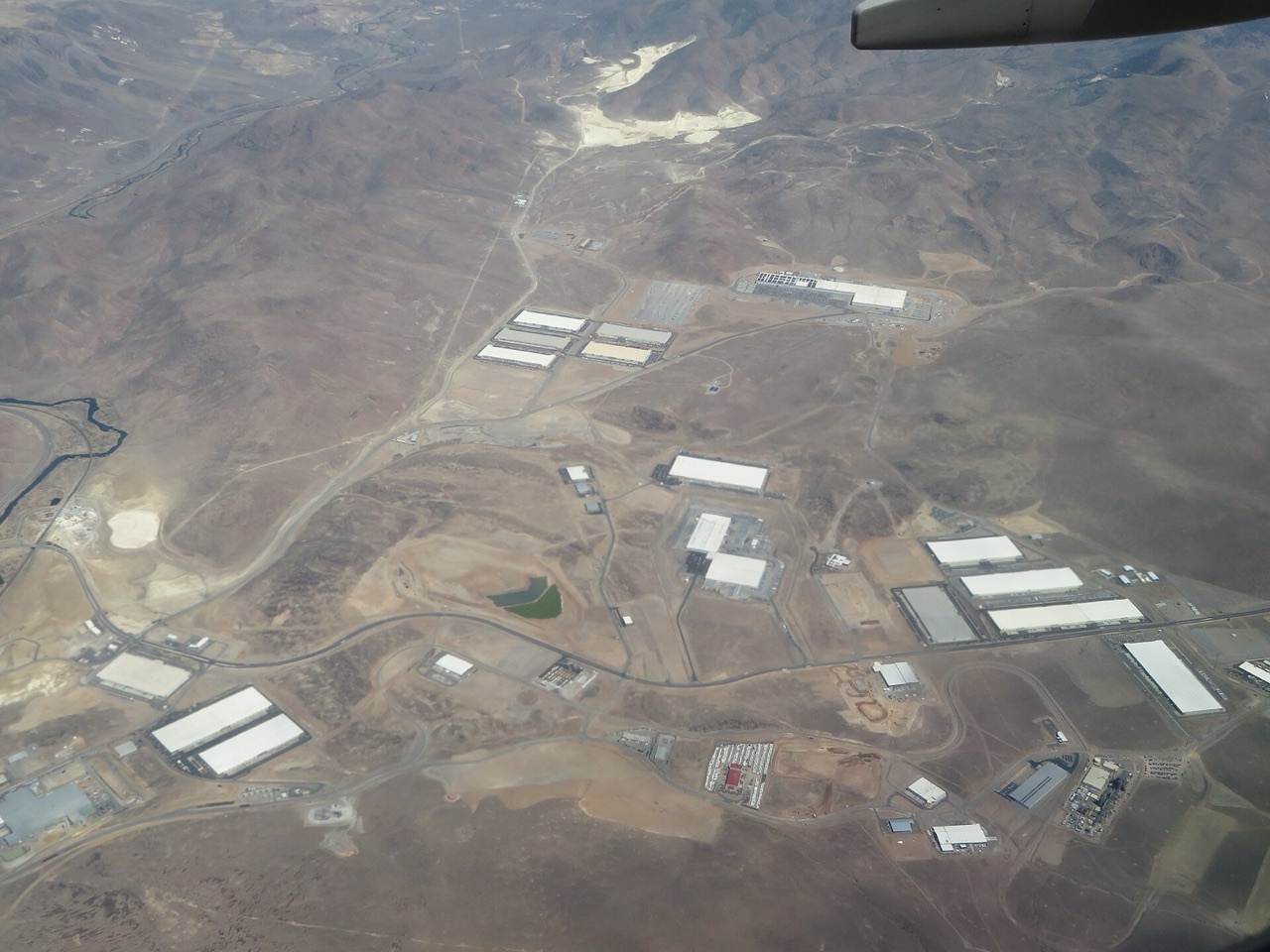 Tesla Gigafactory Nevada, built with Panasonic — the JV that anchored Japanese cell know-how to American EVs. (Image: Wikimedia Commons, CC BY-SA 2.0, Ken Lund)
In 2008, Tesla launched the Roadster. Its price climbed from $100,000 to $110,000 because the battery pack was simply too expensive — the battery management system alone reportedly cost $20,000.
Elon Musk needed to drive costs down. After evaluating more than 300 battery types, Tesla settled on Panasonic's 18650 cell. The cell scored well on consistency, energy density, safety, and cost. Panasonic, meanwhile, had just lost roughly $4 billion betting on plasma televisions and badly needed a new growth story. The match was made.
In 2010, Panasonic invested $30 million in Tesla. In 2011 the two companies signed a contract for 640 million 18650 cells to power the Model S. That was later expanded to 1.8 billion cells in 2013, making Panasonic Tesla's exclusive strategic supplier.
The partnership peaked around the Nevada Gigafactory. In 2014 Panasonic committed $1.6 billion to the plant, and in 2017 the two companies jointly launched the 21700 cell, which pushed energy density up by about 20% while cutting pack-level cost. Panasonic became the world's largest EV battery producer and, arguably, the first company to win a seat at the table of the electric age.
The problem was inside Japan. Toyota and other domestic giants remained committed to hybrids and hydrogen, treating battery-electric vehicles as a secondary path. Panasonic had world-class technology but no meaningful home market to fund its expansion.
III. Missing China: Tesla Turned East, Panasonic Stayed Away
Tesla broke ground on its Shanghai Gigafactory in 2019. By the end of that year, the plant was already ramping production, with Chinese consumers lining up for locally built Model 3s.
Panasonic was not there.
The company had not built China-based capacity dedicated to Tesla. Tesla responded by bringing in LG Chem and CATL. The industry has been asking the same question ever since: how did Panasonic, with every early advantage, hand the world's largest EV market to its rivals?
Two forces explain it.
First, Japanese automakers were not transitioning to EVs. Without orders from Toyota, Honda, and Nissan, Panasonic could not justify the massive capacity expansion that the EV boom required.
Second, Panasonic had over-committed to Tesla. Tesla never planned to stay loyal to one supplier. When Shanghai needed local cells, Panasonic had no factory ready, and the opportunity closed permanently.
By 2025, Panasonic had fallen to seventh place in global EV battery installations, with roughly 44.2 GWh and a 3.7% market share — a fraction of CATL's volume. From a 93% global share to outside the top five, the fall was faster than the rise.
IV. Toyota's Price: The Chain Reaction of Conservative Strategy
Panasonic's decline was tightly linked to Toyota's caution. Because Toyota and other Japanese automakers delayed electrification, Panasonic lost its domestic demand base. Without domestic scale, Panasonic could not match Chinese rivals on cost and capacity. And without a strong domestic battery champion, Toyota's own EV transition slowed. A vicious cycle.
Toyota's own numbers tell the story:
- In fiscal 2025, Toyota's revenue rose 5.5%, but net profit fell 19.2%. For fiscal 2026, the company forecasts another 22% profit drop, the third consecutive year of decline.
- Toyota made the unprecedented decision to kill the next-generation Lexus LF-ZC flagship EV program, paying suppliers hundreds of billions of yen in compensation. A Toyota executive admitted that "many engineers were in tears."
- The bZ electric lineup has struggled to compete with Chinese brands.
Twenty years ago, Japanese automakers mastered the most elegant hybrid systems and the most advanced cell chemistry. They chose to defend the old world with the internal combustion engine rather than build a new one with batteries.
V. How China Overtook: Market as the Best Catalyst
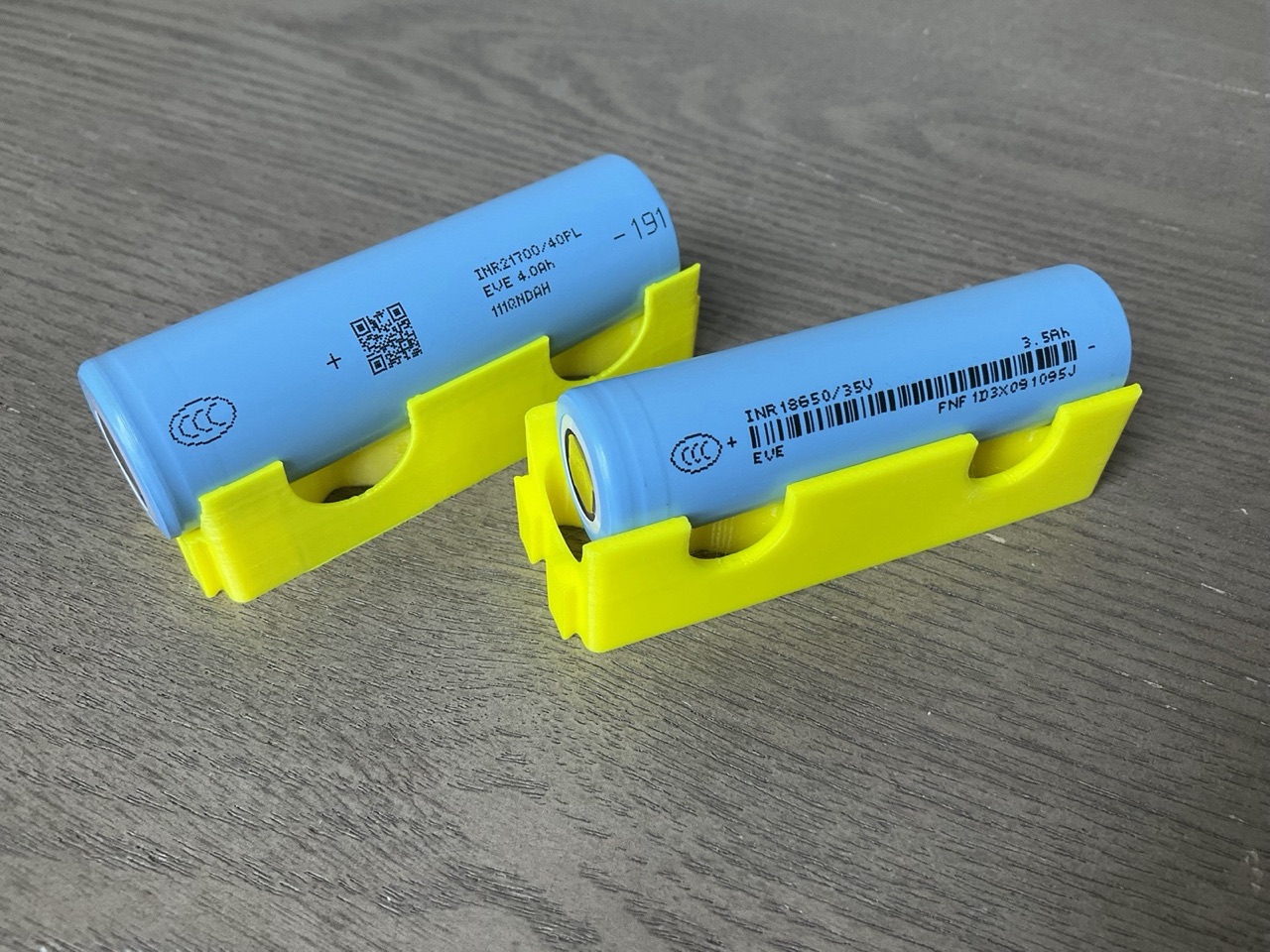 China's battery ascent versus Japan's stagnation. (Image: EV & Auto Club)
The rise of Chinese battery makers is the mirror image of Panasonic's fall.
From 2020 to 2024, China's power-battery output grew from 83.4 GWh to more than 1,000 GWh, a tenfold increase in just a few years. Chinese companies now occupy six of the top ten positions in global battery installations and together hold more than 60% of the market.
The secret is scale. China is the world's largest EV market, and that market gave battery makers something Japan could not: a continuous stream of real-world orders. Orders fund R&D; volume drives yield and cost improvements; lower costs expand demand. This "market → capacity → technology → cost" flywheel allowed Chinese producers to outrun Japanese competitors that were still waiting for their home market to turn electric.
VI. Epilogue
Panasonic's story is a textbook case of a company that held the lead and still lost the race.
It invented the lithium-ion battery, became Tesla's sole "heart" supplier, and briefly ruled the global EV battery market. But Japanese automakers' conservatism stripped it of a domestic market, and its over-dependence on Tesla caused it to miss the largest incremental market — China. When technology cannot find a large enough stage, laboratory advantages freeze, and they are eventually overtaken by rivals that iterate in products rather than in prototypes.
Twenty years ago, Panasonic represented the top of the battery pyramid. Today, CATL and BYD wear the crown. The lesson is brutal and clear: technology leadership does not equal industrial leadership. The real moat is not whether you can build something; it is whether you have a market large enough to keep building it better. That market-driven path is the hidden code behind China's battery rise.
Back to all articles · View comments & share on the interactive page